Archive

December 2024

Browsing

If you’re an investor or aspire to become one, tools like a stock screener can make the process easier and more effective. Whether you’re tracking the IRFC share price or exploring other investment opportunities, a stock screener is an essential tool for making informed decisions. Let’s delve into what a stock screener is, how it works, and why it’s a valuable resource for beginners and seasoned investors alike.

Understanding Stock Screeners

A stock screener is a digital tool or software that allows investors to filter and analyze stocks based on specific criteria. It helps narrow down thousands of stocks in the market to a manageable list that fits your investment strategy.

For instance, if you’re interested in tracking companies like IRFC or exploring sectors like renewable energy, a stock screener can quickly display stocks that match your preferences, saving you hours of manual research.

How Does a Stock Screener Work?

Stock Screener

Stock screeners operate by allowing users to set parameters or filters based on their investment goals. These filters can include:

  • Market Capitalization: Select stocks based on their size, such as large-cap, mid-cap, or small-cap companies.
  • Price-to-Earnings Ratio (P/E): Focus on stocks with specific valuation metrics.
  • Dividend Yield: Identify stocks that pay high dividends.
  • Sector or Industry: Filter stocks by industries, like financial services or renewable energy.
  • Performance Metrics: Look for stocks with specific growth trends or momentum indicators.

Once the filters are set, the screener generates a list of stocks that meet those criteria. This saves investors time and allows them to focus on the most relevant options.

Benefits of Using a Stock Screener

  1. Efficiency: Instead of manually searching for stocks, a screener does the heavy lifting by narrowing down options in seconds.
  2. Customization: You can tailor the filters to match your investment preferences, whether it’s tracking the IRFC share price or identifying undervalued stocks.
  3. Data-Driven Decisions: Screeners provide access to essential financial metrics and charts, helping investors make informed choices.
  4. Risk Management: By filtering stocks based on risk metrics like beta or volatility, you can build a portfolio that aligns with your risk tolerance.

Best Practices for Beginners

  • Start Simple: Begin with a few filters like sector, market cap, and P/E ratio. As you gain experience, you can incorporate more advanced metrics.
  • Focus on Quality: Look for companies with strong fundamentals, such as stable earnings growth and manageable debt levels.
  • Use Multiple Sources: While stock screeners are helpful, cross-check the results with news and expert analyses for a well-rounded view.

Stock Screeners and IRFC

For investors interested in the IRFC share price, a stock screener can help compare its performance with other companies in the financial sector. You can also use it to track trends over time, ensuring you stay informed about potential investment opportunities.

Conclusion

A stock screener is a powerful tool for anyone looking to invest in the stock market. By leveraging its features, you can identify opportunities, make informed decisions, and build a portfolio that aligns with your financial goals. Whether you’re a beginner or an experienced investor, incorporating a stock screener into your strategy can significantly enhance your investment journey.

 

In an era where digital transformation is paramount, transitioning to a paperless payroll system offers businesses a pathway to enhance efficiency, reduce costs, and minimize their environmental footprint. According to a study by the american payroll association, companies can save between $2.87 and $3.15 per payment by switching to electronic payroll methods. Yet, the journey to a paperless payroll system involves meticulous planning and consideration of both technological and human factors. This blog post outlines a strategic approach for businesses ready to embrace a paperless payroll system, focusing on aspects often overlooked in the transition process.

Step 1: evaluate your current payroll process

Begin by conducting a comprehensive audit of your existing payroll process. Identify all points where paper is currently used, from timesheets to pay stubs and tax forms. This evaluation should also consider the time and resources spent on manual data entry, printing, and storage of paper records. Understanding the full scope of your current process will highlight inefficiencies and areas ripe for digital optimization.

Step 2: choose the right paperless payroll software

payroll system

Selecting a software solution that aligns with your business’s specific needs is critical. Beyond basic functionality, consider factors such as integration capabilities with your existing hr and accounting systems, scalability, user-friendliness, and compliance features. It’s also essential to assess the security measures employed by the software to protect sensitive employee data. Opt for providers that offer encryption, multi-factor authentication, and regular security audits.

Step 3: ensure legal compliance

Transitioning to a paperless system must be done in compliance with local, state, and federal regulations. This includes obtaining explicit consent from employees for electronic pay stubs and tax documents, as well as ensuring that the system meets requirements for data privacy and retention. Engaging a legal advisor to review your transition plan can help avoid potential legal pitfalls.

Step 4: develop a comprehensive implementation plan

A successful transition requires a well-thought-out implementation plan that includes a timeline, designated team members responsible for each phase of the rollout, and a communication strategy to keep all stakeholders informed. Training for both hr/payroll staff and employees on using the new system is essential to ensure smooth operation and buy-in from the outset.

Step 5: communicate with your employees

Effective communication is vital to a successful transition. Explain the benefits of the new paperless system, including faster access to pay information, enhanced security, and environmental benefits. Address any concerns and provide ample training and resources to help employees adapt to the new system. Offering tutorials, faqs, and dedicated support can ease the transition and foster positive attitudes towards the change.

Step 6: phase in the paperless system

Consider a phased approach to rolling out the new system, starting with a pilot group of employees before extending it to the entire organization. This allows you to gather feedback, make necessary adjustments, and ensure that everything runs smoothly before full implementation. Monitoring the system closely in the initial stages will help identify any issues early on, allowing for timely resolutions.

Step 7: maintain and optimize the system

After transitioning to a paperless payroll system, ongoing maintenance and optimization are crucial. Regularly review the system’s performance, solicit feedback from users, and stay informed about new features or updates that could enhance functionality. Additionally, maintaining a culture of continuous improvement will help ensure that your paperless payroll system remains efficient and effective over time.

Conclusion

Transitioning to a paperless payroll system represents a significant step forward in modernizing business operations and embracing sustainability. By following a structured approach that emphasizes careful planning, employee engagement, and compliance, businesses can achieve a smooth transition and reap the numerous benefits of a digital payroll process. As technology continues to evolve, staying adaptive and open to new advancements will keep your payroll system efficient, secure, and aligned with your business objectives.


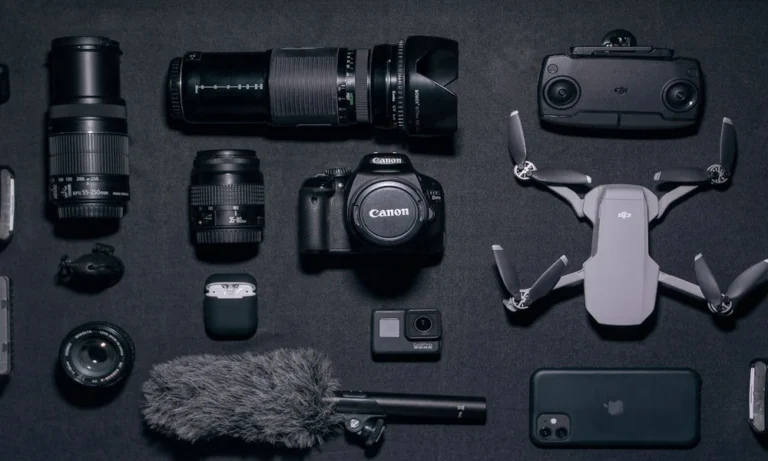
Photography is a dynamic and ever-evolving art form that blends technical precision with creative expression. Whether you’re a hobbyist capturing everyday moments or a professional shooting weddings, portraits, or commercial work, having the right equipment is crucial for producing high-quality images. While gear alone doesn’t make a great photographer, it does empower you to fully realize your vision and adapt to different shooting conditions. This guide outlines the essential photography equipment every photographer should consider to build a solid and versatile toolkit.

1. Camera Body

At the heart of any photography setup is the camera body. Today’s market offers a range of options, from entry-level DSLRs and mirrorless models to high-end full-frame systems. For beginners, crop-sensor cameras like the Canon EOS Rebel series or Sony Alpha a6000 provide excellent image quality and ease of use. More advanced users might opt for full-frame models such as the Nikon Z6 II, Canon EOS R6, or Sony A7 IV, which offer better low-light performance, higher resolution, and greater depth of field control.

When choosing a camera, consider your preferred photography style. A sports or wildlife photographer may prioritize high frame rates and fast autofocus, while a portrait photographer may value sensor size and color accuracy.

2. Lenses

Lenses are arguably more important than the camera body when it comes to image quality and creative flexibility. A standard 50mm prime lens, often called the “nifty fifty,” is a must-have for its sharpness, affordability, and versatility-ideal for portraits, street photography, and low-light conditions.

A wide-angle lens (e.g., 16-35mm) is essential for landscape, architecture, and interior shots. For portraits, an 85mm or 70-200mm lens delivers flattering compression and beautiful bokeh. Macro lenses (like a 100mm macro) are perfect for capturing extreme close-ups of flowers, insects, or textures.

Consider starting with a basic zoom lens, like a 24-70mm f/2.8, which covers a wide range of focal lengths and suits most general-purpose photography needs.

3. Tripod

A sturdy tripod is a foundational tool for long exposures, night photography, self-portraits, and precise compositions. It eliminates camera shake and allows for consistent framing. Look for a tripod with adjustable legs, a ball head, and lightweight materials such as carbon fiber if portability is important.

In addition to traditional tripods, tabletop or mini tripods are useful for travel and small spaces, especially when photographing products or filming content for social media.

4. External Flash and Lighting Equipment

Natural light can be stunning, but it’s not always available or reliable. An external flash (also known as a speedlight) offers better control over lighting than a built-in camera flash. It allows for bounce flash techniques, off-camera flash setups, and improved low-light performance.

For more advanced lighting control, studio strobes, softboxes, umbrellas, and reflectors help create professional-quality portraits. Continuous LED lights are popular for hybrid photographers and videographers, offering adjustable brightness and color temperature in real-time.

5. Memory Cards and Storage

High-resolution files and burst shooting require fast and reliable memory cards. Invest in SD or CFexpress cards with high write speeds, particularly for video or action photography. Always carry backups to avoid data loss during a shoot.

Additionally, a solid storage solution is essential. External hard drives and cloud storage services help organize and back up your files. Many professionals follow the 3-2-1 rule: three copies of your data, stored on two different types of media, with one off-site backup.

6. Camera Bag

A quality camera bag protects your gear and makes it easier to transport. Choose a design that suits your workflow-backpacks are great for travel and landscape photography, while sling bags or shoulder bags offer quick access for street or event work. Look for padded compartments, weather resistance, and customizable dividers to keep your equipment safe and organized.

7. Editing Software

Post-processing is an integral part of digital photography. Adobe Lightroom and Photoshop are industry standards for editing and retouching, offering powerful tools to enhance color, exposure, and composition. Alternatives like Capture One, Luminar, or even mobile apps such as Snapseed can also deliver impressive results depending on your needs and workflow.

Editing isn’t just about correcting mistakes-it’s about refining your creative vision and ensuring consistency across your portfolio.

8. Cleaning Kit

Maintaining clean gear is vital for image quality and equipment longevity. A basic cleaning kit should include a blower, microfiber cloth, lens cleaning solution, and sensor swabs. Regular cleaning prevents dust spots on images and keeps lenses clear and sharp.

9. Remote Shutter Release

A remote shutter release allows you to take photos without physically pressing the camera button, reducing the risk of camera shake during long exposures, time-lapses, or group photos. Wireless models offer additional flexibility, while wired versions are typically more affordable and reliable.

10. Additional Accessories

Other useful tools include lens filters (such as polarizers and ND filters), battery grips for extended shooting time, and color calibration tools for consistent color across devices. Also, consider investing in accessories tailored to your niche. For event photographers, for example, offering a photo booth rental San Antonio can add value and variety to your services, creating fun and memorable experiences for guests while generating additional revenue.

Conclusion

Having the right photography equipment isn’t about owning the most expensive gear-it’s about choosing tools that support your creative goals, enhance your efficiency, and adapt to your shooting environments. By investing in a strong foundation of essential gear, from a dependable camera and versatile lenses to lighting and storage solutions, you can confidently take on a wide range of photographic challenges. Whether you’re shooting portraits, documenting events, or exploring new creative styles, the right equipment empowers you to bring your vision to life, one frame at a time.

Flooding in residential areas is a significant concern for homeowners, particularly in regions with heavy rainfall or improper drainage systems. Ensuring effective residential drainage in Roswell and other similar locales can dramatically reduce the risk of flooding and the damage it can cause. When drainage enhancements are thoughtfully implemented, they play a crucial role in controlling water flow, preventing water pooling, and maintaining the integrity of the landscape and property structures.

In this article, we’ll explore key ways to improve residential drainage to prevent flooding, the benefits of these enhancements, and tips on choosing the right drainage solutions for your property.

The Importance of Effective Drainage Systems

Drainage systems are designed to direct excess water away from a property’s foundation and surrounding areas, thereby safeguarding both the landscape and structural stability. When drainage is inadequate, water can pool around homes, leading to soil erosion, weakened foundations, and mold growth, which can compromise the safety and value of the property. In regions like Roswell, with varied seasonal rainfall, improving drainage systems is especially critical to prevent frequent waterlogging and protect residential areas from potential flooding.

Key Drainage Enhancements for Flood Prevention

Installing French Drains

A French drain is a simple yet highly effective solution for removing excess water from the soil. This type of drainage system uses a trench filled with gravel and a perforated pipe to channel water away from the property. By diverting water flow to a safer area, French drains can prevent saturation in gardens, lawns, and foundations, making them an excellent choice for residents in flood-prone areas.

Using Swales for Natural Water Direction

Swales are shallow, gently sloping channels that allow water to flow naturally across the landscape. When strategically placed, swales can move water away from critical areas, such as around the home’s foundation, preventing pooling and potential flooding. Swales are often integrated with native plants that further absorb moisture and reduce runoff speed, creating a natural and sustainable drainage solution.

Incorporating Downspout Extensions

Downspout extensions help ensure that rainwater from rooftops is directed far from the home’s foundation. Without these extensions, water may pool at the base of the property, leading to soil erosion and foundation issues. Downspout extensions can easily be added to existing gutters and are a low-cost yet effective enhancement for residential drainage.

Grading and Slope Adjustments

Another vital improvement to residential drainage is adjusting the grading and slope of the property. Proper grading directs surface water to drain away from buildings rather than toward them. Sloping the yard away from the house by just a few degrees can prevent water accumulation near the foundation, a common cause of basement flooding.

Installing Catch Basins

Catch basins are beneficial additions to residential landscapes, particularly in areas where water runoff is excessive. They capture rainwater and direct it through underground pipes to storm drains or other safe locations. Catch basins are often used in conjunction with other drainage solutions, such as French drains or swales, to ensure optimal water management across the property.

For further guidance on optimizing yard drainage, check out how to navigate the waters of yard drainage for your home to explore additional tips.

Benefits of Enhanced Residential Drainage

Prevents Flooding and Water Damage

An effective drainage system can significantly minimize the risk of flooding in residential areas, particularly during heavy rainfall. Properly directed water flow prevents pooling and flooding, which can lead to costly water damage repairs and health concerns from mold and mildew.

Reduces Soil Erosion

Enhanced drainage helps protect the landscape from erosion, which can destabilize trees, plants, and even small structures. By diverting water to areas where it won’t erode the soil, property owners can maintain the beauty and stability of their outdoor spaces.

Protects Foundation Integrity

One of the most significant threats to a home’s foundation is water accumulation. Water that seeps into the foundation can cause cracks, weakening the overall structure of the home. By implementing effective drainage systems, homeowners protect their foundations from moisture damage and prolong the life of their property.

Choosing the Right Drainage Solutions

When selecting drainage solutions, it’s essential to consider factors such as the property’s landscape, local weather patterns, and specific drainage needs. Consulting with a drainage expert can provide valuable insight into which solutions are best suited for a particular property. For homeowners in Roswell and similar regions, working with professionals who specialize in local residential drainage systems ensures that the chosen enhancements effectively address the unique challenges posed by the area’s climate and terrain.