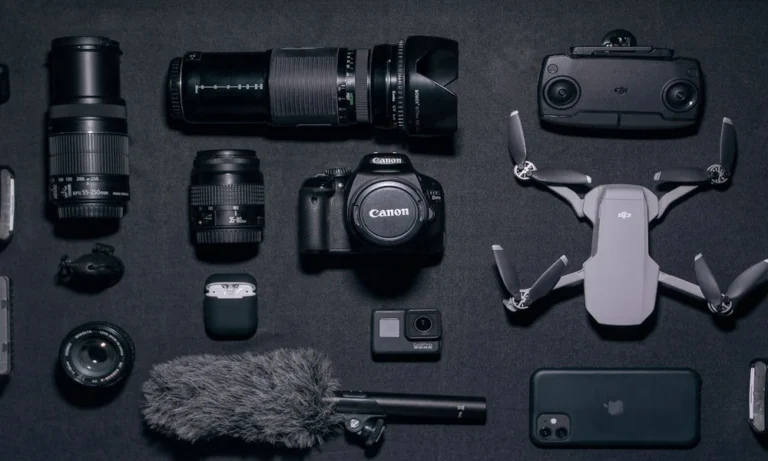
Photography is a dynamic and ever-evolving art form that blends technical precision with creative expression. Whether you’re a hobbyist capturing everyday moments or a professional shooting weddings, portraits, or commercial work, having the right equipment is crucial for producing high-quality images. While gear alone doesn’t make a great photographer, it does empower you to fully realize your vision and adapt to different shooting conditions. This guide outlines the essential photography equipment every photographer should consider to build a solid and versatile toolkit.
1. Camera Body
At the heart of any photography setup is the camera body. Today’s market offers a range of options, from entry-level DSLRs and mirrorless models to high-end full-frame systems. For beginners, crop-sensor cameras like the Canon EOS Rebel series or Sony Alpha a6000 provide excellent image quality and ease of use. More advanced users might opt for full-frame models such as the Nikon Z6 II, Canon EOS R6, or Sony A7 IV, which offer better low-light performance, higher resolution, and greater depth of field control.
When choosing a camera, consider your preferred photography style. A sports or wildlife photographer may prioritize high frame rates and fast autofocus, while a portrait photographer may value sensor size and color accuracy.
2. Lenses
Lenses are arguably more important than the camera body when it comes to image quality and creative flexibility. A standard 50mm prime lens, often called the “nifty fifty,” is a must-have for its sharpness, affordability, and versatility-ideal for portraits, street photography, and low-light conditions.
A wide-angle lens (e.g., 16-35mm) is essential for landscape, architecture, and interior shots. For portraits, an 85mm or 70-200mm lens delivers flattering compression and beautiful bokeh. Macro lenses (like a 100mm macro) are perfect for capturing extreme close-ups of flowers, insects, or textures.
Consider starting with a basic zoom lens, like a 24-70mm f/2.8, which covers a wide range of focal lengths and suits most general-purpose photography needs.
3. Tripod
A sturdy tripod is a foundational tool for long exposures, night photography, self-portraits, and precise compositions. It eliminates camera shake and allows for consistent framing. Look for a tripod with adjustable legs, a ball head, and lightweight materials such as carbon fiber if portability is important.
In addition to traditional tripods, tabletop or mini tripods are useful for travel and small spaces, especially when photographing products or filming content for social media.
4. External Flash and Lighting Equipment
Natural light can be stunning, but it’s not always available or reliable. An external flash (also known as a speedlight) offers better control over lighting than a built-in camera flash. It allows for bounce flash techniques, off-camera flash setups, and improved low-light performance.
For more advanced lighting control, studio strobes, softboxes, umbrellas, and reflectors help create professional-quality portraits. Continuous LED lights are popular for hybrid photographers and videographers, offering adjustable brightness and color temperature in real-time.
5. Memory Cards and Storage
High-resolution files and burst shooting require fast and reliable memory cards. Invest in SD or CFexpress cards with high write speeds, particularly for video or action photography. Always carry backups to avoid data loss during a shoot.
Additionally, a solid storage solution is essential. External hard drives and cloud storage services help organize and back up your files. Many professionals follow the 3-2-1 rule: three copies of your data, stored on two different types of media, with one off-site backup.
6. Camera Bag
A quality camera bag protects your gear and makes it easier to transport. Choose a design that suits your workflow-backpacks are great for travel and landscape photography, while sling bags or shoulder bags offer quick access for street or event work. Look for padded compartments, weather resistance, and customizable dividers to keep your equipment safe and organized.
7. Editing Software
Post-processing is an integral part of digital photography. Adobe Lightroom and Photoshop are industry standards for editing and retouching, offering powerful tools to enhance color, exposure, and composition. Alternatives like Capture One, Luminar, or even mobile apps such as Snapseed can also deliver impressive results depending on your needs and workflow.
Editing isn’t just about correcting mistakes-it’s about refining your creative vision and ensuring consistency across your portfolio.
8. Cleaning Kit
Maintaining clean gear is vital for image quality and equipment longevity. A basic cleaning kit should include a blower, microfiber cloth, lens cleaning solution, and sensor swabs. Regular cleaning prevents dust spots on images and keeps lenses clear and sharp.
9. Remote Shutter Release
A remote shutter release allows you to take photos without physically pressing the camera button, reducing the risk of camera shake during long exposures, time-lapses, or group photos. Wireless models offer additional flexibility, while wired versions are typically more affordable and reliable.
10. Additional Accessories
Other useful tools include lens filters (such as polarizers and ND filters), battery grips for extended shooting time, and color calibration tools for consistent color across devices. Also, consider investing in accessories tailored to your niche. For event photographers, for example, offering a photo booth rental San Antonio can add value and variety to your services, creating fun and memorable experiences for guests while generating additional revenue.
Conclusion
Having the right photography equipment isn’t about owning the most expensive gear-it’s about choosing tools that support your creative goals, enhance your efficiency, and adapt to your shooting environments. By investing in a strong foundation of essential gear, from a dependable camera and versatile lenses to lighting and storage solutions, you can confidently take on a wide range of photographic challenges. Whether you’re shooting portraits, documenting events, or exploring new creative styles, the right equipment empowers you to bring your vision to life, one frame at a time.