
Gum disease is one of the most widespread issues involving mouth health which develop at any time through your life. It usually starts slowly and has signs that when you first see them may not seem too terrible. As the early stages are not painful, many people ignore warning signs until they have become worse. Identify these warnings early and save yourself a lot of costs, then you can even protect your teeth and overall health.
Why Early Detection Matters
People with gum disease often have a mild form of inflammation called gingivitis, caused by plaque accumulating at the gumline. If it goes untreated, you might develop periodontitis, which is a more serious disease that damages the bone and muscles that surround your teeth. Early Disease: The earlier the disease, the easier, less invasive and often more effective treatment is than late disease.
Being mindful of changes in your gums can have a significant impact on the health of your mouth immediately and help to avoid more significant issues down the line.
Bleeding Gums When Brushing Or Flossing
Bleeding gums are one of the earliest and most frequent indicators of gum disease. Many people consider this to be a regular occurrence when brushing very hard or using floss after not doing so for an extended time. But normal gum tissues typically do not bleed when you brush as well as floss your teeth.
Red, Swollen, Or Tender Gums
If you suddenly begin having pain while consuming hot, cold, sweet or sour foods during this time your gums may be responsible. Gum recession exposes the sensitive root areas of teeth where surrounding gum tissue has shrunk.
Toothaches have several possible causes, but are often a symptom of gum troubles and definitely not something you should disregard.
Changes In Tooth Stability
If gum disease advances, the structures that embed the teeth in place may lose energy. Others notice that their teeth are becoming mobile or a little loose with time.
It should also be noticed, even small variations concerning how stable are your teeth. Prompt treatment can help to protect the underlying tissues and prevent further destruction.
Plaque And Tartar Buildup
Drying of plaque or tartar at the gumline may also mean that your pet is more likely to develop gum disease. Plaque becomes tartar if we fail to brush and floss our teeth daily, which then requires professional cleaning by a dentist.
Regular visits to the dentist will help to eliminate these deposits before they lead to bigger problems with gum disease.
The Importance Of Professional Care
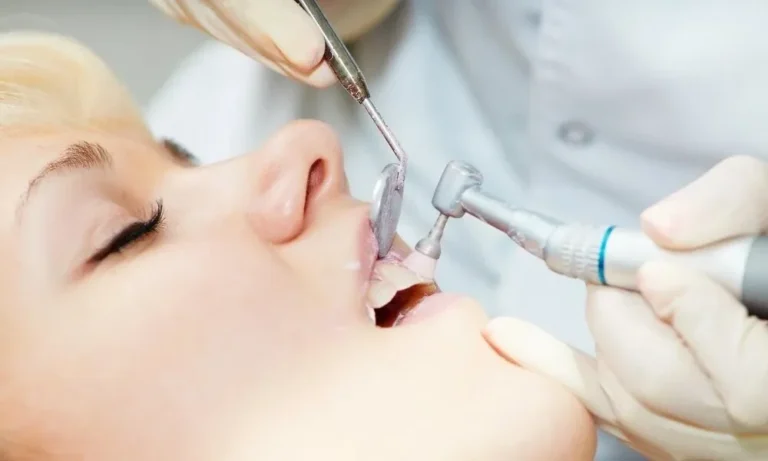
While good home care is defensive, a visit to the dentist is very proactive in catching gum disease early before it occurs too much havoc. A periodontal specialist or your dentist can examine the health of your gums, measure your gum pockets and recommend a plan of treatment if needed.
The great news is that when gum disease is caught in its earliest stages, most patients can be treated with periodontal care at Smile Specialists Suite. But, reach out for help from a dentist because this can decrease swelling, enhance mouth care and also return to preserving gum health for the very long term.
In Conclusion
It is easy to ignore the early warning signs because gum disease typically worsens with time. Any gum bleeding, swelling, stubborn bad breath, gum loss, tooth sensitivity or a change in the stability of your teeth should never be neglected. You can safeguard your smile and reduce the risk of severe dental issues down the road if you act quickly upon noticing a concern.
If people know what these signs indicate and seek guidance from professional dental services when they do, then people have the potential to keep their gums healthy and improve oral health for years to come.