Category

Home

Category

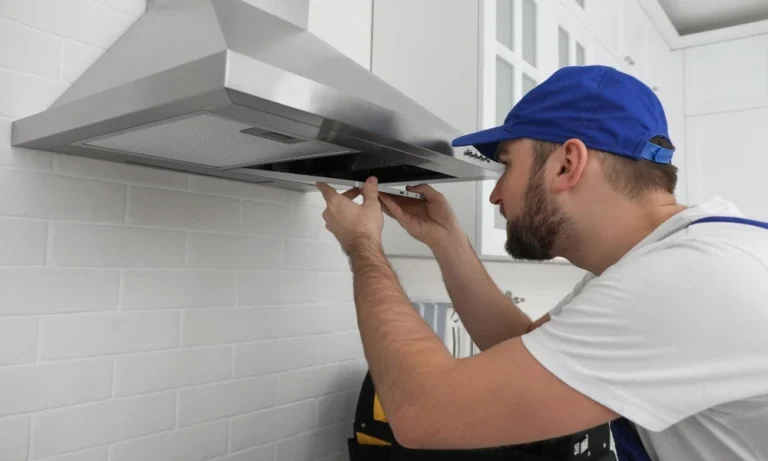
A fireplace adds warmth, character, and value to a home, but the chimney that makes it safe to use is among the most overlooked components in residential property maintenance. A residential chimney that is not regularly inspected, cleaned, and repaired as needed creates risks that range from reduced heating efficiency to structural damage and the fire and carbon monoxide hazards that chimney professionals encounter regularly in neglected systems. Understanding what residential chimney service involves, when residential chimney repair is needed, and why residential chimney cleaning is essential for both safety and performance helps homeowners make informed decisions about one of the home’s most important systems.

Why does residential chimney maintenance matter?

The residential chimney performs a critical function: it provides a safe, controlled path for combustion gases, smoke, and particulates from the firebox to the exterior of the home. When the chimney is compromised by creosote buildup, structural damage, deteriorated mortar, or a faulty liner, this function is impaired in ways that can have serious consequences:

  1. Creosote accumulation: every wood fire deposits creosote, a flammable byproduct of incomplete combustion, on the interior walls of the chimney flue. Over time, creosote accumulates in layers whose combustibility increases as the deposit thickens. Chimney fires, which occur when accumulated creosote ignites inside the flue, are a leading cause of house fires and can cause severe structural damage even when the fire appears to extinguish itself
  2. Carbon monoxide risk: a blocked or damaged chimney that cannot properly vent combustion gases allows carbon monoxide to migrate back into the living space. Carbon monoxide is colorless and odorless; exposure at elevated concentrations is rapidly dangerous and potentially fatal
  3. Structural deterioration: mortar joints in the chimney masonry absorb water through freeze-thaw cycling, chimney crown cracks allow water penetration into the masonry, and damaged flashing permits water to enter at the chimney-roof junction. Unaddressed, these entry points lead to progressive structural deterioration that becomes increasingly expensive to correct
  4. Draft problems: a damaged or blocked flue, an incorrectly sized chimney cap, or deteriorated liner components can cause draft issues that result in smoke entering the home rather than exiting through the chimney

What does residential chimney service include?

Residential chimney service from a qualified chimney professional typically encompasses inspection, cleaning, and repair as distinct but related activities:

  1. Annual inspection: the National Fire Protection Association recommends an annual chimney inspection for any chimney in regular use, regardless of apparent condition. A Level 1 inspection assesses the accessible portions of the chimney for condition and clearances; a Level 2 inspection, recommended after any change in the appliance, fuel type, or following a chimney fire, includes a video scan of the interior flue
  2. Residential chimney cleaning: residential chimney cleaning removes the creosote deposits and blockages from the flue using professional brushes, rods, and vacuum equipment that captures the soot and debris rather than dispersing it through the home. The frequency of cleaning depends on the volume of use and the type of wood burned; annual cleaning is generally appropriate for regular users of wood-burning fireplaces
  3. Residential chimney repair: mortar joint repointing, chimney crown repair or replacement, flashing repair, chimney cap installation, and liner repair or replacement are the most common residential chimney repair services. Identifying and addressing these issues promptly prevents the progressive deterioration that turns manageable repairs into major reconstruction projects

What is commercial chimney service?

Commercial chimney service addresses the larger scale and more complex chimney and venting systems of commercial, industrial, and multi-family residential buildings. Commercial buildings may have multiple fireplace systems, industrial boilers, restaurant kitchen exhaust systems, or the large masonry chimneys of historic properties whose inspection and maintenance requirements exceed the scope of residential chimney service. Commercial chimney professionals bring the equipment, the technical expertise, and the regulatory knowledge to service these systems to the applicable codes and insurance requirements.

How to choose a residential chimney service provider?

Homeowners selecting a provider for residential chimney repair and residential chimney cleaning should look for:

  1. Certification: the Chimney Safety Institute of America (CSIA) offers the Certified Chimney Sweep credential, which requires passing a technical examination and maintaining continuing education. CSIA certification is the most recognized quality indicator in the chimney service industry
  2. Liability insurance and workers’ compensation coverage: chimney work involves the risk of structural damage and personal injury. A properly insured contractor protects the homeowner from liability exposure
  3. Written estimates and inspection reports: a professional chimney service provider provides a written report of inspection findings and a written estimate for recommended repairs before work begins

Conclusion

Residential chimney service, including regular residential chimney cleaning and timely residential chimney repair, is the maintenance investment that keeps a wood-burning or gas fireplace safe, efficient, and enjoyable to use for years. The risks of neglecting chimney maintenance, from fire hazard to structural deterioration, significantly outweigh the cost of professional annual service.

Paid Guest Blogs

Gas Stoves for Sale and Best Wood Stoves: A Buyer’s Guide to Home Heating

A freestanding stove, whether fueled by natural gas, propane, or wood, offers a quality of warmth and a visual character that central heating systems cannot replicate. The radiant heat of a best gas stove or a high efficiency wood stove warms the living space directly, creates a focal point that transforms the room aesthetically, and provides a degree of heating independence that is increasingly valued during power outages and utility disruptions. For homeowners evaluating gas stoves for sale or researching the best wood stoves on the market, understanding how the technologies compare, what determines heating efficiency, and what installation requirements apply helps narrow a broad field of options to the right stove for each home.

What is the difference between gas stoves and wood stoves?

Gas and wood stoves deliver the same experience of visible, radiant flame heat in a room but differ fundamentally in the fuel source, installation requirements, and day-to-day operation:

  1. Fuel supply: gas stoves connect to the home’s natural gas supply or to a propane tank, providing instant ignition, adjustable output, and the convenience of fuel that does not need to be purchased, stored, or carried inside. Wood stoves require a supply of seasoned firewood, which must be sourced, stored dry, and brought to the stove for each fire
  2. Convenience of operation: gas stoves for sale in the modern market typically offer thermostat control, remote ignition, and in many cases smart home integration that allows the stove to be started and adjusted without entering the room. Wood stoves require the physical process of laying, lighting, and managing a fire, which is part of the appeal for many users but a practical consideration for those seeking convenience
  3. Heat output characteristics: both fuel types produce excellent radiant heat, but wood stoves typically deliver higher peak output from a full firebox of seasoned hardwood than gas stoves at equivalent price points. The high efficiency wood stove category, which captures and radiates heat from gases that older wood stoves vented directly up the flue, has significantly narrowed this gap while dramatically reducing particulate emissions
  4. Installation requirements: both stove types require proper venting through a listed chimney system, but gas stoves can be vented through a direct vent system that draws combustion air from outside and exhausts directly through an exterior wall, eliminating the need for a full masonry or factory-built chimney in many installations. Wood stoves require a full chimney system capable of sustaining the draft that wood combustion requires

What should buyers look for in gas stoves for sale?

The best gas stove for any specific installation depends on the heating requirement of the space, the available fuel supply, and the aesthetic and operational preferences of the homeowner:

  1. BTU output: the stove’s heat output measured in British Thermal Units per hour must be matched to the volume of the space to be heated. An undersized stove will struggle to maintain comfortable temperature on the coldest days; an oversized stove will cycle on and off too frequently to operate efficiently
  2. Efficiency rating: the efficiency of a gas stove is expressed as the percentage of the fuel’s energy content that is delivered as heat to the space, with the remainder lost up the flue. Modern best gas stove models from leading manufacturers achieve efficiencies of 70 to 85 percent, significantly higher than older models
  3. Burner and flame quality: the visual quality of the flame, the realism of the log set, and the burner’s behavior across the full range of output settings are important aesthetic considerations for a stove that will be a prominent visual feature of the living space
  4. Venting compatibility: confirming that the stove’s venting requirements are compatible with the available installation option, whether a full chimney or direct vent, before purchase prevents costly installation complications

What are the best wood stoves and what makes a wood stove high efficiency?

Top rated wood stoves in the current market are distinguished from older designs by the EPA-certified emissions standards that all new wood stoves sold in the United States must meet. The 2020 EPA emission standards require that certified wood stoves emit no more than 2.0 grams of particulate matter per hour, a significant improvement from the pre-regulation era stoves that many older homes still contain.

Best stove wood burning efficiency comes from secondary combustion chambers that re-burn the gases produced by the primary combustion before they exit the firebox, extracting additional heat that would otherwise be lost up the chimney. The high efficiency wood stove category, which includes catalytic and non-catalytic designs achieving efficiencies of 70 to 80 percent, burns significantly less wood per BTU of delivered heat than conventional designs while producing dramatically fewer particulate emissions.

Best buy gas stoves in the market include models from established manufacturers including Regency, Lopi, Jotul, and Napoleon, whose EPA certifications, extended warranties, and dealer service networks provide the confidence that a major home heating appliance purchase requires. Top rated wood stoves from these same manufacturers offer the heat output, efficiency, and build quality that discerning buyers expect from a stove that will serve the home for decades.

Conclusion

Gas stoves for sale and best wood stoves both represent compelling home heating options whose right choice depends on the available fuel source, the installation context, the heating requirement of the space, and the homeowner’s preferences for operational convenience versus the experience of managing a wood fire. The high efficiency wood stove and best gas stove categories deliver the warmth, efficiency, and aesthetic character that make freestanding stoves one of the most satisfying home heating investments available.

Mold is more than an unsightly problem in homes and businesses—it can pose serious health risks and cause lasting structural damage. Residents and property owners in the Chicago Southland region increasingly rely on professional services to manage mold infestations safely and effectively. Mold removal Chicago Southland services combine expertise, advanced techniques, and careful handling to restore properties and protect occupants from harmful exposure.

Understanding Mold and Its Risks

Mold grows in damp, humid, or poorly ventilated environments, thriving on organic materials like wood, drywall, and carpeting. Even small leaks, condensation, or flood damage can create conditions for mold to develop. While some molds are relatively harmless, others release spores and mycotoxins that can trigger allergic reactions, respiratory issues, and other health complications.

Mold removal Chicago Southland emphasizes both detection and remediation. Early identification of mold not only prevents widespread contamination but also reduces the risk of long-term damage to a building’s structure. Many property owners attempt to remove mold using household cleaners or DIY methods, but these approaches often fail to eliminate underlying moisture issues, allowing the mold to return. Professional services address both the visible mold and the hidden causes, ensuring thorough remediation.

Professional Mold Removal Techniques

Mold removal Chicago Southland services rely on a combination of inspection, containment, removal, and prevention strategies. The process begins with a detailed assessment to locate affected areas, which may include hidden spaces such as behind walls, under flooring, or inside HVAC systems. Infrared cameras, moisture meters, and air quality tests are often used to detect mold that is not immediately visible.

Once the scope of contamination is identified, professionals set up containment measures to prevent spores from spreading to unaffected areas. Negative air pressure, plastic barriers, and specialized filtration systems are standard practices in professional mold removal. This containment protects both the property and the health of occupants during the remediation process.

The actual removal process involves cleaning and treating affected surfaces with antifungal agents, sanitizers, and industrial-grade equipment. In cases of severe infestation, contaminated materials like drywall, insulation, or carpeting may need to be safely removed and replaced. Throughout the process, mold removal Chicago Southland experts prioritize safety by using protective gear and adhering to industry standards to minimize exposure.

Health and Property Benefits of Mold Remediation

Effective mold removal is essential for both health and property preservation. Mold exposure can exacerbate asthma, allergies, and other respiratory conditions, particularly in children, the elderly, or individuals with compromised immune systems. By employing professional mold removal Chicago Southland services, property owners reduce these health risks while ensuring the indoor environment is safe and habitable.

Beyond health considerations, mold can weaken the structural integrity of buildings over time. Wood, drywall, and insulation can deteriorate when mold spreads unchecked, leading to costly repairs. Professional remediation protects investments by addressing the root causes of mold, including moisture management and ventilation improvements. This holistic approach not only removes existing mold but also reduces the likelihood of future infestations.

Insurance claims related to mold damage are another area where professional services can assist. Documentation of the infestation and remediation process by certified mold removal Chicago Southland specialists can support property owners in claims for water damage or other covered losses. Accurate records and professional reports increase the likelihood of a successful claim and help property owners navigate the often-complex insurance process.

Choosing the Right Mold Removal Service

Selecting a reputable provider for mold removal Chicago Southland requires careful consideration. Licensing, certifications, and industry affiliations indicate that a company follows established protocols and adheres to safety standards. Experience in handling a variety of mold types and property situations ensures that the service can manage even complex infestations effectively.

Communication and transparency are equally important. A trustworthy service explains the remediation process, expected outcomes, and timelines, allowing property owners to make informed decisions. Free assessments or consultations can provide insight into the scope of work and associated costs, while ongoing support ensures that preventative measures are understood and implemented.

Local knowledge is also beneficial. Mold removal Chicago Southland services understand the regional climate, building types, and common moisture issues, enabling them to tailor solutions to the unique challenges of the area. Whether it is addressing flood-prone basements, high-humidity attics, or older buildings with outdated ventilation, local expertise ensures comprehensive remediation and lasting results.

Think of swimming in water as clear as glass without chlorine particles? Living pools are kept clean through a plant and natural system approach, combining swimming and wildlife habitats in a single gorgeous pool. Aquatic plants also clean the water while providing a retreat area for frogs and dragonflies, among other creatures.

What is the secret to their clarity? A perfectly balanced ecosystem supported by an efficient pond filter, as That Pond Guy—a natural water feature specialist—can attest. These pools prove you can enjoy nature while swimming in it.

How Living Pools Work – Nature’s Clever Design

As opposed to conventional pools, living pools use a regeneration zone filled with water-purifying plants. This area works like a natural barrier, absorbs nutrients, and stops algae plants growing while the waters remain clean for swimming.

The water flow occurs between the swimming part and the zone filled with plants and becomes an informal self-cleaning system, similar to a natural lake. Useful bacteria decompose the organic substances, while skimmers and UV treatment offer added clarity without harsh chemicals.

The result? A pool that you can feel in your skin, with which you can share the world, and in which nature thrives.

The Benefits – Healthier Swimming, Happier Planet

One of the biggest perks of a living pool is the absence of irritating chemicals. No more red eyes, dry skin, and awful air; just fresh, clean, invigorating water with the feel of swimming in a mountain lake.

Besides personal health, these pools help local fauna; dragonflies, frogs and even birds come for a drink or a bath. They also consume much less energy than their traditional counterparts, reducing maintenance costs and carbon footprint.

Whether exploring the wild delight of swimming outdoors or simply admiring the concept of a living pool, you will get the best of both worlds.

Living Pools

Designing Your Own Natural Oasis

Creating a living pool is all about balance. The swimming area has to be of appropriate depth for a good dip, and the regeneration zone has to be well-planted with weeds like reeds and water lilies. Rocks, gravel, and marginal plants blend the pool into the environment and are perceived as a natural pond, not an artificial one.

Maintenance is surprisingly easy – regular skimming, filter checks occasionally, and some seasonal care of the plants and everything runs smoothly. With careful design, your pool can become a serene personal oasis that weathers the change of seasons while remaining beautiful year-round.

A Pool That Gives Back to Nature

The swimming area has to be of appropriate depth for a good dip, and the regeneration zone has to be well-planted with weeds like reeds and water lilies. Rocks, gravel, and marginal plants blend the pool into the environment and are perceived as a natural pond, not an artificial one.

Maintenance is surprisingly easy – regular skimming, filter checks occasionally, and some seasonal care of the plants and everything runs smoothly. With careful design, your pool can become a serene personal oasis that weathers the change of seasons while remaining beautiful year-round.

Big or small, owning a house is everyone’s dream and the majority of us work harder to achieve one. Building a house is not the only thing that we aspire to, but decorating it with sheer detail gives the house its soul. You may have dreamt of decorating it this way or that way, putting this or that furniture, but you most likely will not be able to unlock what a professional can. By hiring a designer furniture company, you make your home reach its potential. Let’s take a look at other reasons that support why should you hire a professional service.

Expertise

Their expertise on designing the smallest space to the huge halls will never be compensated by anything else. You might have a place, in which you are struggling to put pieces together and getting that view that you have always vision, but are failing to do so. However, a professional can get it done with an ease and you will be amazed with their quality of putting all different pieces together and making a vacant space your home.

Sourcing

Have you ever wondered that how some homes get their hands on some of the statement pieces? Well, this is done by the designing professional. They have contacts with the artisans, many times from different parts of the world and they know what will go with your aesthetics. They get them sourced for your space which is otherwise not possible to get.

Cost-Effective

Though sourcing statement pieces and giving a luxurious touch to your home don’t come for cheap, a professional gets you some relief from the overall billing. They are in contact with the manufacturer and artisans and get you a discount for pieces. This is not possible when you reach out to them directly. Their contacts and constant orders help them manage a trusting relationship with people in the field.

Whether you are looking for a budget renovation or a luxurious designing, a professional from designing company can help you get everything. Their skills help them design a space as per your needs, demands, and the availability of the space.

When Alex and Priya reached out to me, their kitchen was stuck somewhere between 1999 and “please make it stop.” They had the motivation, a solid budget, and a folder full of Pinterest screenshots.

What they didn’t have? A plan.

So I gave them the same advice I give any homeowner ready to start smart:
Find the best kitchen remodel showrooms near me, and go there first. Don’t just scroll—walk through it. Touch the cabinets. Open the drawers. Ask questions.

And that’s exactly what we did.

✅ Step 1: Walk In With Curiosity, Not Commitment

Alex was immediately drawn to the GENESIS line—specifically the GENESIS Natural Stain on oak. It had that smooth grain, slightly matte, naturally warm look. Not too rustic. Not too modern. Just right.

Priya, on the other hand, was eyeing sleek luxury kitchen cabinetry in soft black with brass accents. Bold move. Beautiful finish.

Here’s the key: the showroom gave them both something to react to. Real samples. Real scale. And suddenly, they weren’t imagining the space—they were designing it.

🧰 Step 2: Ask the Right Questions (This Is Where Mistakes Get Prevented)

We sat down with a showroom consultant and asked everything I always recommend:

  • How do these cabinets hold up to humidity and heat?
  • Can we customize drawer depths or insert types?
  • What materials are used behind the finish?
  • Is there soft-close hardware standard?

We also looked at lighting options, corner cabinet solutions, and different toe-kick profiles. Because as I always say: It’s not just about how it looks. It’s how it performs.

📏 Step 3: Measure Twice—Then Match to Reality

Back at their home, we reviewed the layout. The showroom team had already provided rough sketches, which we layered on top of real-world measurements.

Here’s where things get serious:

  • Cabinet clearances
  • Appliance spacing
  • Workflow between sink, stove, fridge

Alex and Priya decided to open up a wall to allow for a peninsula—and you better believe I checked that structural wall three times before giving it the green light.

🪵 Step 4: Lock In the Materials

After narrowing it down, they chose a hybrid:

  • GENESIS Natural Stain lowers for warmth
  • Painted uppers in soft white for contrast
  • Hidden trash pullout, spice rack, and deep drawers for pots and pans

Luxury kitchen cabinetry? Check. Performance and style? Double check.

🏁 Step 5: Timeline + Execution

After finalizing selections at the kitchen remodel showroom near me, we booked the install timeline, confirmed lead times on materials, and scheduled the electrician and plumber.

No surprises. No shortcuts. Just solid planning—start to finish.

Final Word from Mike Holmes

A great kitchen isn’t built in a day. It’s built in stages—with the right steps in the right order.

Start with the showroom. It’s where good ideas become great decisions.
Then ask questions. Check materials. Measure carefully. And choose finishes that not only look stunning, but will stand up to daily life.

If you’re serious about remodeling, find your local expert, get into a real showroom, and plan smart.

Because doing it right the first time? That’s how you make it right.

Transforming your outdoor space into a vibrant retreat can be an exciting project. By incorporating natural elements such as coral stepping stones, you can achieve a serene and inviting atmosphere. This guide will explore various aspects of designing your landscape to enhance its beauty and functionality while embracing the charm of coral stones.

Choosing Coral Stones

When choosing coral stepping stones for backyards, consider the unique characteristics of coral. These materials offer a distinctive appearance, featuring warm hues and interesting textures that evoke a coastal vibe. Look for stones that complement the overall aesthetic of your garden while providing durability and slip resistance. The right choice will enhance visual appeal and create a safe walking surface.

Adding Greenery

Surrounding your stone pathway with lush plants can significantly elevate the ambiance of your outdoor area. Opt for tropical foliage that thrives in your climate, such as ferns, palms, or hibiscus. These plants can create a vibrant backdrop, softening the hard edges of the stones and adding layers of color and texture. Consider varying plant heights and types to create depth and interest along the pathway.

Designing Pathways

The layout of your path is crucial for establishing flow and accessibility. Curved pathways often feel more inviting than straight lines, guiding visitors through the landscape naturally. Incorporate gentle bends to encourage exploration and discovery within your space. Additionally, consider the width of the path; it should be wide enough to accommodate foot traffic comfortably while allowing for plant growth on either side.

Placement Tips

The strategic placement of stones can enhance both aesthetics and functionality. Start by marking the desired path with stakes or string to visualize the layout before installation. Ensure that stones are evenly spaced to create a cohesive look while allowing for easy navigation. Pay attention to the surrounding environment; positioning stones near focal points like water features or seating areas can draw attention and create a harmonious design.

Coral Stepping Stones

Tropical Plant Pairing

Selecting the right plants to accompany your coral stones is essential for achieving a cohesive look. Consider using flowering plants like bougainvillea or plumeria that provide bursts of color throughout the year. Additionally, incorporating ground cover plants such as creeping thyme or moss can fill gaps between stones while adding softness underfoot.  

Incorporating Water Features

Adding water elements like fountains or ponds can significantly enhance the tranquility of your outdoor space. The sound of flowing water creates a soothing atmosphere, making it an ideal complement to your stone pathway. Position water features strategically along the path to encourage relaxation and contemplation. Surround these features with lush plants to further integrate them into the landscape.

Accent Lighting Ideas

To enjoy your outdoor retreat even after sunset, consider incorporating lighting along your pathways. Soft illumination can highlight coral stones and create an enchanting ambiance at night. Use solar-powered lights or low-voltage options for energy efficiency and ease of installation. Position lights strategically to illuminate key areas without overwhelming the natural beauty of your garden.

Blending Textures

Achieving a harmonious design involves blending various textures throughout your landscape. Combine smooth surfaces from stepping stones with rougher textures from plants or decorative elements like driftwood or pebbles. This contrast adds depth and visual interest, making your outdoor space more engaging. Experiment with different materials to find a balance that resonates with your personal style.

By incorporating coral stepping stones for backyards alongside lush greenery, water features, and accent lighting, you can craft an inviting environment that reflects nature’s beauty. Embrace the unique characteristics of coral stones while blending various elements to create an enchanting space where you can relax and unwind in harmony with nature.  

As older adults, leaving your home can be a challenging task. You have so many memories of your home, loved ones, and so much more. It can feel like you can just close your eyes and imagine your grandkids opening presents in your living room from last Christmas.

A senior community offers you the comfort of home away from home. Of course, you may not want to be a burden on your children, interrupting their busy lives, but at the same time you are unable to care for yourself.

This is where the senior community comes into the picture. Here are some of the reasons why you want to consider living in a senior community center.

1. Covers everything you need

A man is a creature of habit. You may have spent years handling your own problems and doing your chores. But now, when you are living your retired life, it can become difficult to maintain even simple house chores. In such moments, you know you need help from an assisted living facility.

Once you are under the care of experts, you don’t have to worry about fetching groceries, maintaining your car, or driving in the town to meet your friends. You can have everything under one roof.

2. A chance to make lifelong friends

As you are in your golden years of life, the friends you make will be there till the end. You will create memories together, play chess, have discussions about your youth days, recall your mischievous memories, have emotional support, and much more. All these things are worth consideration when you think about living in a senior community.

3. Fun activities

Many senior communities indulge themselves in fun activities. You have the chance to let go of your boring, gloomy, and old days. From giving advice sessions to local youth to enjoying special games designed for your fun, you can enjoy many things.

The best thing is you don’t have to spend your entire day scrolling your gadget, or changing channels on the TV. You can live the life that you have always envisioned after retirement.

4. Wellness and healthcare facilities

It is nearly impossible to be one hundred percent healthy after crossing the 60 mark. So, keeping up with different medicines and supplements may become an essential part of your new routine, which is difficult, to be honest.

However, when you are living in an assisted senior setting, you are under the surveillance of healthcare professionals. Who makes sure all your health needs are met at all times.

5. Sense of belonging

It is natural to feel the void of our children living away from you, an undefined sense of detachment from your place. Living in a senior community gives you a sense of belonging, where you feel wanted and cared for while all your emotional, physical, and mental needs are well looked after.

In the end, we just urge you to think and make a decision that helps you have a comfortable retired life.

Choosing the right flooring material for your home or commercial space is a crucial decision that can significantly impact the overall aesthetic, durability, and functionality of your space. Among the various options available, ceramic tiles have long been a popular choice due to their versatility, durability, and low maintenance requirements. In this article, we’ll explore how ceramic tiles compare to other popular flooring options, such as laminate, vinyl, and engineered wood, to help you make an informed decision.

Durability and Longevity

One of the most significant advantages of ceramic tiles is their exceptional durability. Made from natural clay and fired at high temperatures, ceramic tiles are incredibly hard and resistant to scratches, dents, and wear and tear. This makes them an ideal choice for high-traffic areas, such as entryways, hallways, and kitchens. In contrast, laminate and vinyl flooring, while durable, are more susceptible to scratches and dents over time, especially in areas with heavy foot traffic.

Engineered wood flooring, on the other hand, offers a balance between durability and aesthetic appeal. While not as durable as ceramic tiles, engineered wood flooring is more resistant to moisture and temperature changes than traditional hardwood flooring, making it a suitable option for areas with moderate foot traffic.

Water Resistance

Ceramique au Sommet tiles, particularly those from reputable brands like Ceramique au Sommet, are highly water-resistant, making them an excellent choice for bathrooms, laundry rooms, and other moisture-prone areas. Their non-porous surface and grout lines prevent water from seeping through, reducing the risk of water damage and mold growth.

Vinyl flooring is also a water-resistant option, as it is made from synthetic materials that are impervious to moisture. However, if not installed properly, water can seep through the seams and cause damage to the subfloor.

Laminate and engineered wood flooring, while more resistant to moisture than traditional hardwood, are still susceptible to water damage and should be avoided in areas with high moisture levels.

Maintenance and Cleaning

Ceramic tiles are relatively low-maintenance and easy to clean. Their non-porous surface prevents dirt and stains from penetrating, and a simple sweep or mop is often sufficient to keep them looking fresh. However, it’s important to properly seal the grout lines to prevent discoloration and mold growth.

Laminate and vinyl flooring are also relatively easy to maintain, requiring only regular sweeping and occasional damp mopping. However, they may be more prone to scratches and scuffs, which can be difficult to repair.

Engineered wood flooring requires more maintenance than ceramic tiles, as it needs to be regularly cleaned and refinished to maintain its appearance. Additionally, it is more susceptible to scratches and dents, which can be challenging to repair without professional assistance.

Aesthetics and Design Versatility

Ceramic tiles offer a wide range of design options, from classic and timeless to modern and trendy. They come in a variety of colors, patterns, and textures, allowing you to create a unique and personalized look for your space. Additionally, ceramic tiles can mimic the appearance of natural materials like stone, wood, and even concrete, providing a versatile and cost-effective alternative.

Laminate and vinyl flooring also offer a range of design options, with many products mimicking the look of hardwood or stone. However, their synthetic nature may not provide the same depth and authenticity as natural materials.

Engineered wood flooring, on the other hand, offers a warm and natural aesthetic that can add character and charm to any space. However, the design options may be more limited compared to ceramic tiles.

Cost and Installation

While the initial cost of ceramic tiles may be higher than some other flooring options, their durability and longevity can make them a cost-effective investment in the long run. Additionally, the installation process for ceramic tiles can be more labor-intensive and may require professional assistance, adding to the overall cost.

Laminate and vinyl flooring are generally more affordable upfront, and their installation process is often easier and more DIY-friendly. However, these materials may need to be replaced more frequently than ceramic tiles, potentially increasing long-term costs.

Engineered wood flooring falls somewhere in the middle in terms of cost, with prices varying based on the quality and brand. Installation can be more complex than laminate or vinyl, but generally more straightforward than ceramic tiles.

In conclusion, when comparing ceramic tiles to other flooring options, it’s essential to consider factors such as durability, water resistance, maintenance requirements, aesthetics, and cost. While each option has its advantages and disadvantages, ceramic tiles from reputable brands like Ceramique au Sommet offer a unique combination of durability, versatility, and low maintenance, making them a popular choice for both residential and commercial spaces.

Beautiful landscape is not only a way to increase the attractiveness of your home but also to obtain a comfortable outdoor territory. A perfect landscape is well managed, well cared for, and designed to fit and enhance the appearance of the landscape area. This article will offer important insights into the best ways of maintaining your landscape so that it becomes a true asset to your home.

1. Regular Lawn Care

Any good landscape starts with landscape maintenance and a healthy lawn. Mowing is the process of cutting the grass to a preferred height, watering is the timely and proper supply of water to the grass, fertilizing is the process of supplementing the nutrients required by the grass while aerating is the periodic punching of holes on the lawn to allow free circulation of air.

To maintain a healthy grass, also known as weed-free grass, always mow it at the right height. To keep germination shallow, do not water often but water intensively on the rare occasions that you water the plants. Follow a balanced fertilizer to supply important nutrients and ensure the soil structure, subsequently the water and nutrient uptake capability, is improved through aeration.

2. Mulch and Weed Control

Weed management and mulching act as key factors that facilitate having a neat and healthy landscape in our compound. Organic fertilizers aid in water conservation. Moreover, forestry mulching whereby a layer of materials such as bark, leaves, grass, or newspapers are placed around plants and garden beds, helps conserve water, moderating soil temperature and controlling weed growth.

For example, using organic matter such as wood chips, or bark in the garden, will give one a chance to gain organic materials over time. Another tip is to eliminate weeds from your garden as frequently as possible to avoid competition that arises from the use of similar nutrients and water. Mulch and weed management maintain your lawn’s looks of neatness and thus require proper management.

3. Prune Trees and Shrubs

Pruning is therefore crucial for the health and appearance of trees and shrubs you may be growing in your backyard or at your workplace. Pruning entails the removal of dead or diseased branches as well as new growths and improving the aesthetic nature of the plants. Utilize appropriate technique of pruning such that it does not harm the plants.

While pruning, always do it at the correct time of the year concerning the type of plant. Pruning does not only help in aesthetic purposes because it improves the appearance of the landscape but also helps in safety measures because dangerous branches are also pruned.

4. Seasonal Planting and Maintenance

By altering the planting schedule and the chores that should be done as per the season, a beautiful landscape can be achieved all year round. There are always certain plants that can be grown depending on the climatic conditions of the particular area you live in and plant them during the right seasons. For instance, plant annuals during spring and fall to give season-specific color and do not neglect to sufficiently attend to perennials all year round.

Are you tired of the same old, boring window treatments that offer little more than functionality? Do you long for a way to transform your windows into stunning focal points that reflect your personality and style? Look no further than the mesmerizing allure of printed blinds!

Printed blinds are not just ordinary window coverings; they are a gateway to a world of endless possibilities. Imagine waking up to the sight of a breathtaking sunrise painted across your windows or being surrounded by a lush forest as you work from home. With printed blinds, you can effortlessly bring the beauty of nature or any design of your choice into your living space.

So, why settle for ordinary when you can turn your windows into extraordinary masterpieces? Let your imagination run wild and elevate your home décor to new heights with printed blinds. Discover the joy of living amidst art, and let your windows become a canvas that tells your unique story.

Looking for Window Dressings that Make a Statement? Unveiling the Artistic Splendor of Printed Blinds!

Are your windows lacking that wow factor? Do you dream of transforming your space with a touch of artistic elegance? Introducing printed blinds, the ultimate statement pieces for your windows that effortlessly combine function with unparalleled beauty.

Printed blinds are a testament to the marriage of art and design, allowing you to add a distinctive touch to any room. They provide an exquisite focal point that instantly captivates the eye and serves as a conversation starter. Whether you want to infuse a pop of color, bring nature indoors, or showcase an awe-inspiring pattern, printed blinds offer endless possibilities to create a space that is uniquely yours.

What sets printed blinds apart is their ability to transform an ordinary window into a breathtaking work of art. The carefully curated designs, ranging from mesmerizing abstract art to enchanting nature scenes, create an atmosphere of elegance and sophistication. Imagine the ethereal beauty of a watercolor sunset gently diffusing through your windows, or the geometric patterns adding a touch of modern flair to your living room. With printed blinds, you have the power to curate an ambiance that reflects your personal style and taste.

Bored with Blah Blinds? Discover the Extraordinary World of Printed Blinds and Redefine Your Window Décor!

Are your windows in dire need of a style upgrade? Tired of the same old mundane blinds that fail to capture your attention? Get ready to revolutionize your window décor with the awe-inspiring allure of printed blinds – the epitome of innovation and artistic expression.

Printed blinds are not your ordinary window coverings; they are a bold statement that dares to defy convention. Gone are the days of plain, uninspiring blinds that merely serve a functional purpose. With printed blinds, you have the power to transform your windows into mesmerizing focal points that demand attention and evoke emotion.

Immerse yourself in a world of endless possibilities, where every design, every image, and every color palette is at your fingertips. From magnificent landscapes that transport you to faraway places to intricate patterns that add a touch of sophistication, printed blinds offer a vast array of choices to suit your unique taste and style. Let your imagination run wild as you curate a space that reflects your personality and becomes an extension of your artistic vision.