
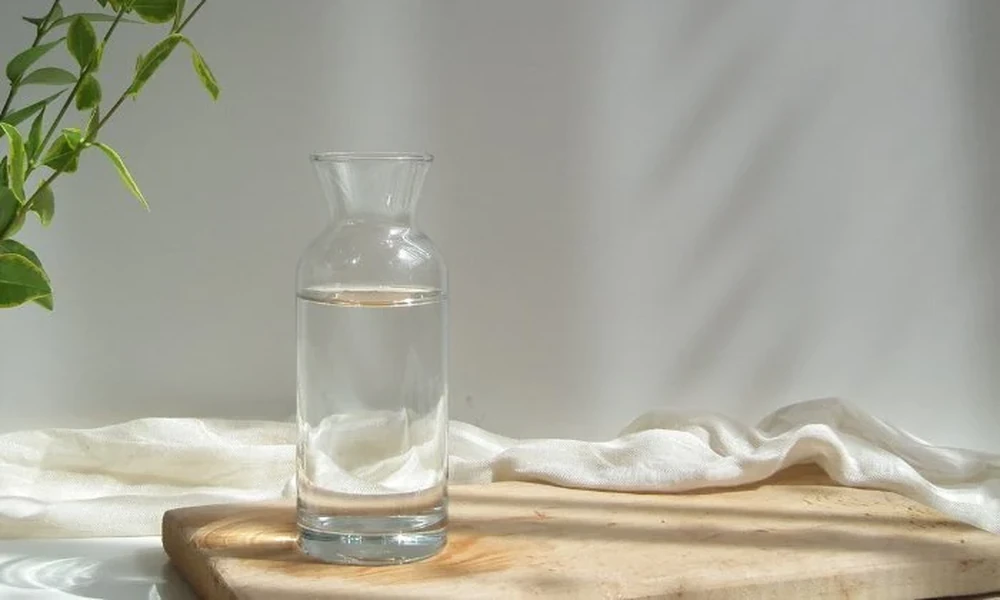
A stainless steel tumbler on a busy desk says more about changing values than any single-use plastic cup ever could. Sustainability is no longer a niche concern; it’s fast becoming the decisive factor in how people choose what they drink from, whether they’re sipping morning coffee or hydrating after a workout.
Sustainability in Drinkware: A Growing Consumer Priority
Shifting Consumer Values and Environmental Awareness
Increasing environmental awareness has altered the drinkware landscape. Consumers are now questioning the lifecycle of their products, where materials come from, how they’re manufactured, and where they end up. This shift is especially visible among younger buyers, whose purchasing decisions are often guided by both social responsibility and genuine concern for the planet.
How Sustainability Influences Purchase Decisions
Today’s customers want products that align with their beliefs. When faced with choices between a reusable stainless steel bottle and a disposable plastic cup, the decision rarely comes down to price alone. Factors like reusability, recyclability, and ethical sourcing carry significant weight. Brands that prioritize transparency and eco-friendly practices are gaining ground, as conscious buyers seek out items that reflect their values.
Materials Matter: Comparing Traditional vs. Sustainable Drinkware
The materials used in drinkware are under more scrutiny than ever. A closer look reveals stark differences in both environmental cost and user experience.
Plastic: Convenience vs. Environmental Impact
While plastic remains popular for its low cost and lightweight build, its environmental legacy is hard to ignore. Most single-use plastics end up in landfills or oceans, outlasting their usefulness by centuries. Even reusable plastic bottles can leach chemicals over time or break down after repeated use, raising questions about long-term safety and sustainability.
Glass and Ceramic: Reusability and Aesthetic Appeal
Glass and ceramic mugs are favored for their clean taste and visual appeal. They offer durability and can often be recycled, though breakability and energy-intensive manufacturing can offset some benefits. Still, for home and office use, they’re a versatile, stylish option.
Stainless Steel and Aluminum: Durability Meets Eco-Friendliness
Stainless steel and aluminum bottles have surged in popularity, prized for their longevity, resistance to odors, and excellent insulation. Although their production demands more energy initially, these metals can be recycled indefinitely with minimal quality loss, making them a smart investment for sustainable-minded consumers.
Biodegradable and Plant-Based Alternatives
Emerging drinkware options utilize bamboo, cornstarch, or other plant-based materials, promising a gentler environmental footprint. While these alternatives are still evolving in terms of durability and cost, they signal a move toward innovation in everyday products.
Production and Lifecycle: Environmental Footprint of Drinkware Options
The impact of drinkware is shaped not just by its materials but by how it’s made, used, and discarded.
Resource Extraction and Manufacturing Impacts
Mining metals or producing glass can consume significant resources, but this is often offset by the long lifespan of these products. In contrast, plastic is cheap and easy to produce, but exacts a heavy toll throughout its lifecycle.
Longevity and Reusability Factors
Durable materials reduce the need for frequent replacement, which lessens overall environmental impact. A stainless steel bottle can last for years, whereas plastic options often require replacement due to wear or odor retention.
End-of-Life Scenarios: Recycling and Composting Challenges
Proper disposal remains a hurdle. Glass and metal are widely recyclable, but many plastics aren’t accepted by local facilities. Biodegradable options sound promising, but often require industrial composting, limiting real-world effectiveness.
Design Innovations Driving Sustainable Drinkware Trends
Modern drinkware isn’t just about form, functionality and sustainability are merging in interesting ways.
Insulation Technology for Energy Efficiency
Advanced insulation keeps drinks hot or cold for hours, reducing the need for energy-intensive reheating or constant refrigeration. This not only adds convenience but also cuts down on energy use over time.
Modular and Repairable Designs
Some brands now offer drinkware with replaceable parts, challenging the throwaway culture of the past. This modular approach extends product life and reduces waste.
Minimalist and Multi-Functional Styles
Versatility is in. Consumers favor bottles that work for water, coffee, and even smoothies, minimizing the need for multiple containers and simplifying daily routines.
Corporate Responsibility and Ethical Sourcing in Drinkware Brands
As sustainability expectations rise, brands are stepping up, or being left behind.
Transparency in Material Sourcing
Shoppers want to know the story behind their products. Companies providing clear information about materials and manufacturing processes are building trust.
Certifications and Eco-Labels to Trust
Look for reputable certifications, such as BPA-free, Fair Trade, or recycled content labels. These offer visible proof of a brand’s sustainability commitments.
Case Studies of Leading Sustainable Drinkware Companies
Companies like Concept Plus custom drinkware exemplify how custom solutions can balance aesthetics, functionality, and environmental priorities. By offering a range of reusable products and bulk deals with no minimums, they make it easier for both individuals and organizations to switch to sustainable options.
Consumer Behavior: Balancing Style, Function, and Sustainability
The modern drinkware shopper is a blend of pragmatist and idealist, seeking products that look good, work well, and do minimal harm.
Price Sensitivity and Perceived Value
While eco-friendly options can cost more upfront, consumers increasingly see them as long-term investments that pay off in durability and reduced waste.
Trends in Customization and Personal Expression
Custom logos, colors, and styles allow users to express personality while still making sustainable choices. This trend is fueling demand for customizable, reusable drinkware.
The Role of Marketing in Shaping Sustainable Choices
Compelling stories and transparent marketing help consumers understand the impact of their choices, nudging more people toward sustainable alternatives.
Future Outlook: Emerging Trends and Challenges
What does the future hold for sustainable drinkware?
Advances in Smart Drinkware and Sustainability Integration
Innovations like self-cleaning bottles, temperature-tracking mugs, and materials with embedded recyclability codes are on the horizon.
Regulatory Pressures and Industry Standards
Governments are tightening regulations on single-use plastics and requiring clearer labeling, pushing the industry toward more sustainable norms.
Potential Barriers to Widespread Adoption of Sustainable Drinkware
Price, convenience, and consumer habits remain obstacles. Education and accessibility will play crucial roles in overcoming these barriers.
Practical Tips for Choosing Sustainable Drinkware Today
– Evaluate Product Claims: Look for specific information on materials, certifications, and end-of-life options.
– Care and Maintenance: Proper cleaning and storage extend the lifespan of reusable bottles and mugs.
– Match to Lifestyle: Consider your daily routine, commuters might prefer insulated stainless steel, while home users could opt for glass or ceramic.
Every choice we make, from morning coffee to post-workout hydration, sends a message about what matters to us. As sustainability continues to reshape our daily habits, the cup in your hand is more than just a vessel, it’s a statement about the future you want to build.
