
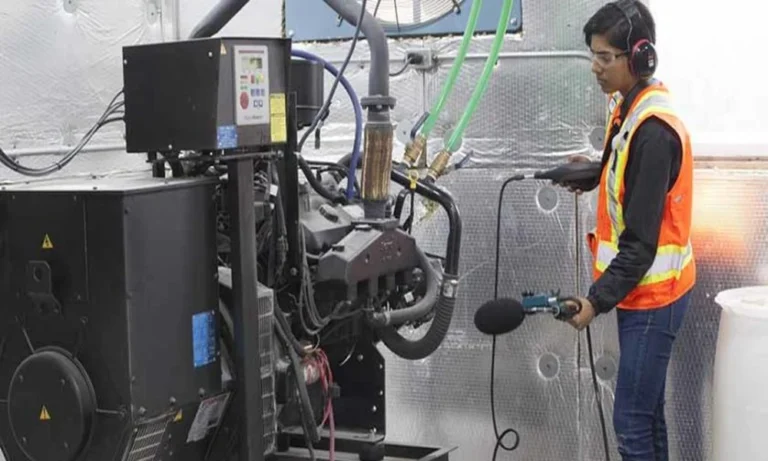
Slamming doors and grinding motors can sabotage the peace of any commercial building. For years, property managers and tenants endured disruptive noise from traditional door operators, but a quiet revolution is underway. Silent electric operators are transforming noise management in places where every decibel counts.
Early Challenges of Noise Control in Commercial Buildings
Before modern solutions, controlling noise in commercial settings was a persistent struggle. Every day, occupants faced a chorus of sounds that echoed through corridors and loading bays.
Common Noise Sources in Commercial Settings
From the repetitive clatter of metal doors to the mechanical rumble of outdated openers, noise pollution came in many forms. High-traffic areas like apartment complexes, offices, and warehouses were especially vulnerable, with heavy doors amplifying operational noise.
Limitations of Traditional Door Operators
Old-school door operators relied on chain or gear mechanisms that produced significant vibrations and sound. Their motors lacked insulation, and safety features were often minimal. As a result, every activation broadcasted through walls and ceilings, disrupting tenants, employees, and visitors alike.
Impact of Noise on Occupants and Operations
Excessive noise does more than just irritate. It affects concentration, reduces productivity, and can even drive away clients or tenants. For facilities operating around the clock, like hospitals or multi-family buildings, nighttime noise from doors can be a constant source of complaints.
Emergence of Silent Electric Operators
Necessity breeds innovation. As noise ordinances tightened and occupant expectations shifted, manufacturers stepped up with a new generation of technology.
Technological Innovations Behind Silent Operation
The breakthrough came from combining high-efficiency DC motors with precision belt- or jackshaft-driven mechanisms. These advancements virtually eliminated the harsh vibrations and sudden sounds caused by metal chains and coarse gears. Some models added sound-dampening enclosures and soft-close features for extra peace and quiet.
Key Features Distinguishing Silent Operators from Conventional Models
What sets silent operators apart?
– Vibration isolation mounts that absorb residual noise
– Soft start/stop sequences to prevent sudden jolts
– Enhanced safety sensors and intelligent controls
Initial Adoption in Noise-Sensitive Environments
Quiet operators first gained traction where silence was non-negotiable: luxury apartments, hospitals, and hotels. Facility managers and building owners quickly saw their value, especially where noise restrictions or occupant comfort were top priorities.
Evolution of Silent Electric Operators Over Time
The story of silent electric operators doesn’t stop with early innovations. Over time, major improvements have pushed the envelope further.
Improvements in Motor and Drive Mechanisms
Modern units feature robust yet compact motors with better cooling and higher efficiency. Drive systems now use industrial-grade belts or jackshafts that last longer and run smoother than the clunky chains of the past.
Integration of Advanced Safety and Security Features
As technology evolved, operators adopted smart safety systems. Auto-reverse sensors, real-time diagnostics, and remote monitoring became standard, reducing maintenance calls and improving building security.
Expansion to Various Commercial Door Types: Jackshaft, Trolley, and More
Flexibility is now a given. Today’s silent operators work seamlessly with an array of door types: rolling steel, sectional garage doors, and high-cycle commercial entrances. Options like jackshaft or trolley operators mean there’s a quiet solution for nearly any application.
Benefits of Modern Silent Electric Operators for Noise Control
For property managers and business owners, the payoff is immediate.
Reduction of Operational Noise Levels
The core benefit: a dramatic drop in noise, often making door operation nearly imperceptible. This transformation allows buildings to maintain tranquility even during heavy use.
Enhancing Comfort and Productivity in Commercial Spaces
Quiet doors lead to fewer distractions, better focus, and happier tenants. Office workers appreciate the calm, while residents no longer dread late-night door slams.
Compliance with Noise Regulations and Standards
Many cities now enforce strict noise codes. Silent operators help buildings stay compliant, avoiding fines and maintaining a good neighbor reputation.
Case Studies: Successful Implementation in Commercial Buildings
Real-world examples bring the benefits to life.
Apartment Complexes and Condominiums
Residents in multi-unit properties have reported substantial improvements in quality of life after upgrades to silent electric operators. Nighttime complaints plummet, and property values often rise.
Industrial and Warehouse Facilities
High-traffic warehouses saw productivity gains as operators could open and close doors quietly during shifts without disrupting floor operations or adjacent offices.
Office Buildings and Retail Environments
Retailers invested in silent systems to create a relaxed shopping atmosphere, while office managers noted fewer workplace interruptions and improved tenant satisfaction.
Installation and Maintenance Considerations
Getting optimal results depends on choosing and maintaining the right system.
Choosing the Right Silent Operator for Your Building
Every building is different. Consulting with a specialist such as Dor Docteur opérateurs électriques pour portes commerciales ensures a match between operator type, door size, usage frequency, and noise reduction needs.
Professional Installation Best Practices
Proper installation is crucial. Experienced technicians will set up vibration isolation mounts, calibrate limit switches, and verify safety features. This attention to detail is what delivers long-lasting, near-silent performance.
Routine Maintenance to Sustain Noise Control Performance
Even the best operators need periodic care. Lubrication, inspection, and timely repairs keep systems operating quietly and efficiently for years.
Future Trends in Silent Electric Operators and Noise Management
The next wave promises even smarter and greener solutions.
Smart and IoT-Enabled Door Operators
Internet-connected systems let facility managers monitor and control doors from anywhere, analyze usage data, and spot maintenance needs before they become noisy problems.
Sustainable and Energy-Efficient Designs
Eco-friendly motors and materials are on the rise, reducing both energy bills and environmental impact without sacrificing silence.
Anticipated Advances in Noise Cancellation Technologies
Researchers are exploring active noise cancellation and advanced acoustic materials that could someday make door operation truly silent, even in the busiest settings.
Conclusion: The Growing Role of Silent Electric Operators in Commercial Noise Control
The move toward quieter buildings isn’t just a trend; it’s a necessity for modern commercial spaces. Silent electric operators are leading this transformation, offering practical noise control, enhanced comfort, and future-ready features that benefit everyone inside and outside the building.