
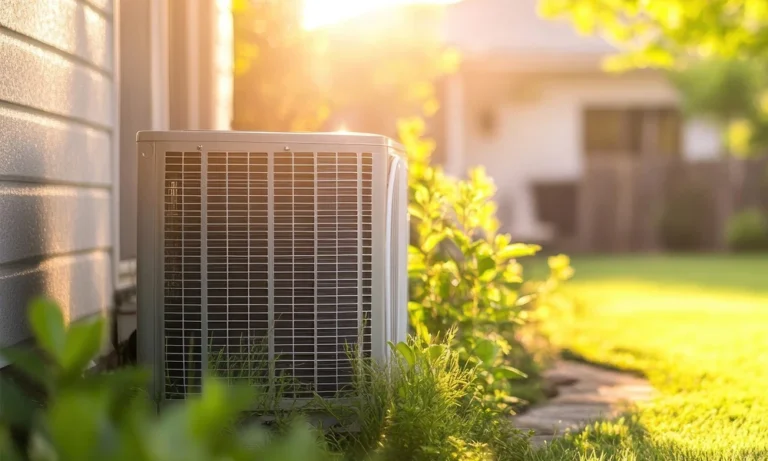
In the foothill cities east of Los Angeles, a home’s heating and cooling system is really two machines sharing one cabinet. The air conditioner runs from spring heat waves through warm October afternoons. The furnace might fire on a few dozen cold mornings and then go months without lighting. One half wears out from overuse, and the other half suffers from sitting idle.
That uneven wear is why a generic maintenance checklist misses a lot in a climate like this. Each half fails in its own way, and each gives off warning signs well before it breaks down. Among the local crews who know those signs, the people behind Lindora hvac maintenance run a family business from the Glendora hills. They tune up furnaces, central air and ductless systems from La Verne to Azusa and beyond, and their customers’ five star reviews regularly mention the clean workmanship. But you can catch a lot of trouble early yourself, simply by noticing what the system is telling you.
Where the Wear Actually Lands
Before getting into symptoms, it helps to know which parts take the punishment on each side.
- On the cooling side, the stress falls on the start capacitor, the contactor, the outdoor coil, the refrigerant circuit and the condensate drain, all of which get worked harder with every long summer.
- On the heating side, the trouble comes from disuse, and it shows up in the flame sensor, the igniter, the burners and the heat exchanger.
- The shared parts work no matter which season it is. That means the blower, the filter, the ductwork and the thermostat.
Each of these has its own way of letting you know something is off.
A Hum With No Spin
Say you walk past the outdoor unit on a hot afternoon. It’s humming, but the fan blade sits still. That’s usually the capacitor, a small cylinder that gives the compressor and fan motor the jolt they need to start. Heat breaks capacitors down, and a condenser baking in full sun at 100 degrees is about as hot as it gets. During a spring checkup a technician tests it against its rated value and swaps a weak one in minutes. Left alone, the same part fails during a July heat wave and turns into an emergency call.
You can lower the heat load on that unit yourself. Keep two feet of open space around it, trim back shrubs, and move anything stored against the cabinet so the unit can breathe.
The Click That Comes Too Often
A loud click from the outdoor unit means the contactor has closed, the electrical switch that starts the system. You should hear it once per cooling cycle. If you hear it every few minutes, the system is short cycling, and each of those clicks pits and burns the contact points a little more.
Sometimes the cause is as small as weak thermostat batteries or a thermostat sitting in a patch of afternoon sun. Other times the system is oversized for the house, or low refrigerant is tripping a pressure switch. Short cycling wears out the contactor, the compressor and your electric bill all at once.
Water Where It Shouldn’t Be
A water stain on the garage ceiling, a damp spot near the indoor unit, or a system that shuts itself off on a humid day all point to the condensate drain. Cooling pulls moisture out of the air, and that water has to leave through a small pipe. Algae grows in the pipe during muggy stretches and late summer monsoon bursts, and once it clogs, the water backs up. A cup of white vinegar poured into the access port once or twice a summer slows the growth. A technician can flush the line fully and test the safety float switch while they’re there.
Air That Feels Lukewarm
When the vents blow air that’s only somewhat cool, two things usually explain it. The first is a dirty outdoor coil. Foothill yards collect canyon dust, cottonwood fluff, dry leaves and sometimes ash, and a matted coil can’t shed heat. Hosing the fins from the inside out after windy weeks, with the power off at the disconnect, keeps that buildup in check.
The second cause is low refrigerant, which always means a leak, since refrigerant isn’t used up during normal operation. Technicians check this by measuring the temperature split, the difference between the air going into the return and the air leaving a supply register. A healthy system usually shows a gap of around 15 to 20 degrees, and a smaller gap is a reason to look for the leak rather than just top off the refrigerant again. A filter that has gone gray chokes the airflow too and can make a sound system feel weak, so check it monthly through the hot months.
The Furnace That Lights and Quits
Then comes the first cold morning in November. The furnace clicks, the burners light, and a few seconds later everything shuts off and starts over. This is the most common sign of a furnace that sat too long, and it almost always points to a dirty flame sensor. That small metal rod confirms the burners are lit, and after months of dust buildup it can no longer tell. Cleaning it takes about a minute.
If you see no flame at all, look at the igniter. Hot surface igniters are brittle ceramic, and they often crack during that first startup after a long idle season. You can get ahead of all this by running the heat for ten minutes on a mild October afternoon. That way any startup problem shows up while there’s still time to fix it calmly.
A Smell Worth Taking Seriously
A faint burning dust smell during the first heating cycle of the year is normal and fades within minutes. A sharp, lingering odor, soot around the furnace, or headaches that ease when you leave the house are a different matter. These can point to a cracked heat exchanger or a flue that isn’t drafting properly, which can let combustion gases escape. A fall inspection is the time to check both. Separate from any maintenance, every home with a gas furnace needs working carbon monoxide alarms near the bedrooms.
Two Visits on a Foothill Calendar
ENERGY STAR’s maintenance checklist suggests servicing the cooling side in spring and the heating side in fall, before contractors get busy. Locally, that means booking the cooling visit in March or April, before the first heat spike. Book the heating visit in late October or November, after the Santa Anas calm down but before the first truly cold night. Homes with heat pumps or ductless mini splits use the same outdoor equipment all year, so for them that second visit matters even more.
The reason for splitting maintenance this way comes back to how unevenly the two halves age. The air conditioner needs care before summer works it to its limit. The furnace needs waking up before the cold arrives and asks it to perform after months of silence. When each visit is timed to how hard that half has been working, the hum, the extra clicks, the drip and the false start get caught while the fix is still small.